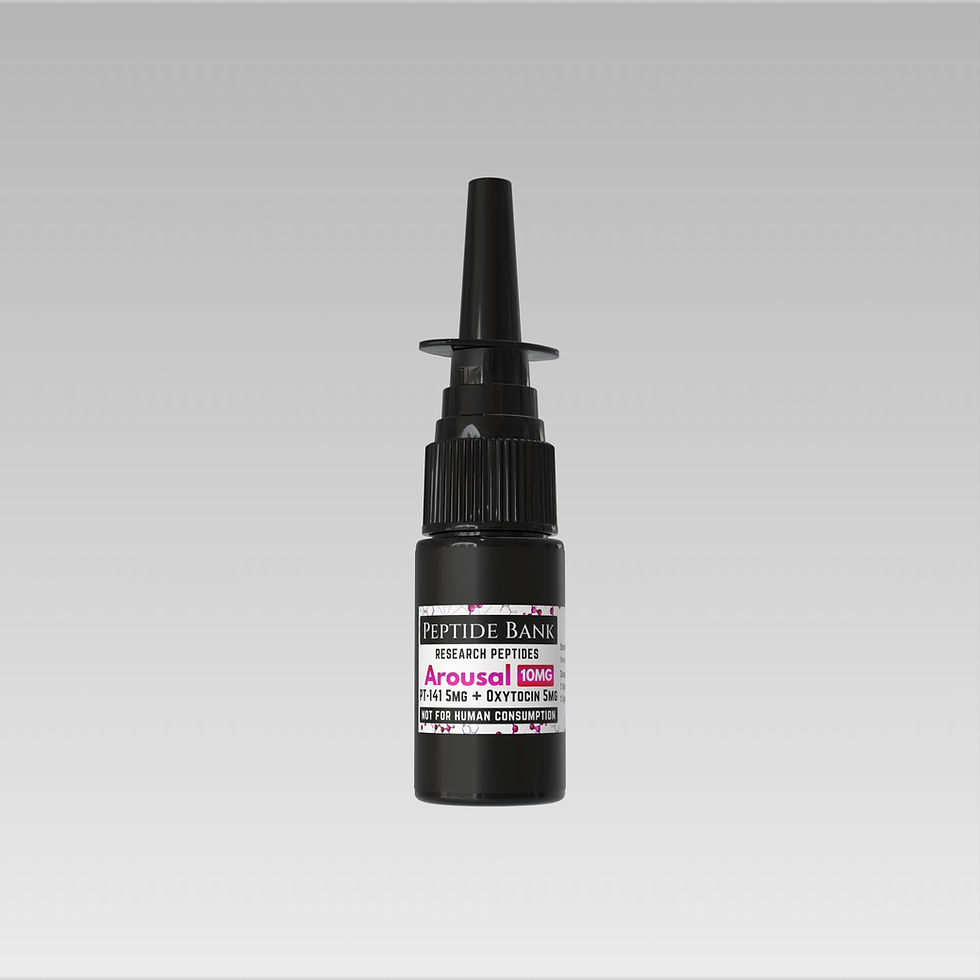
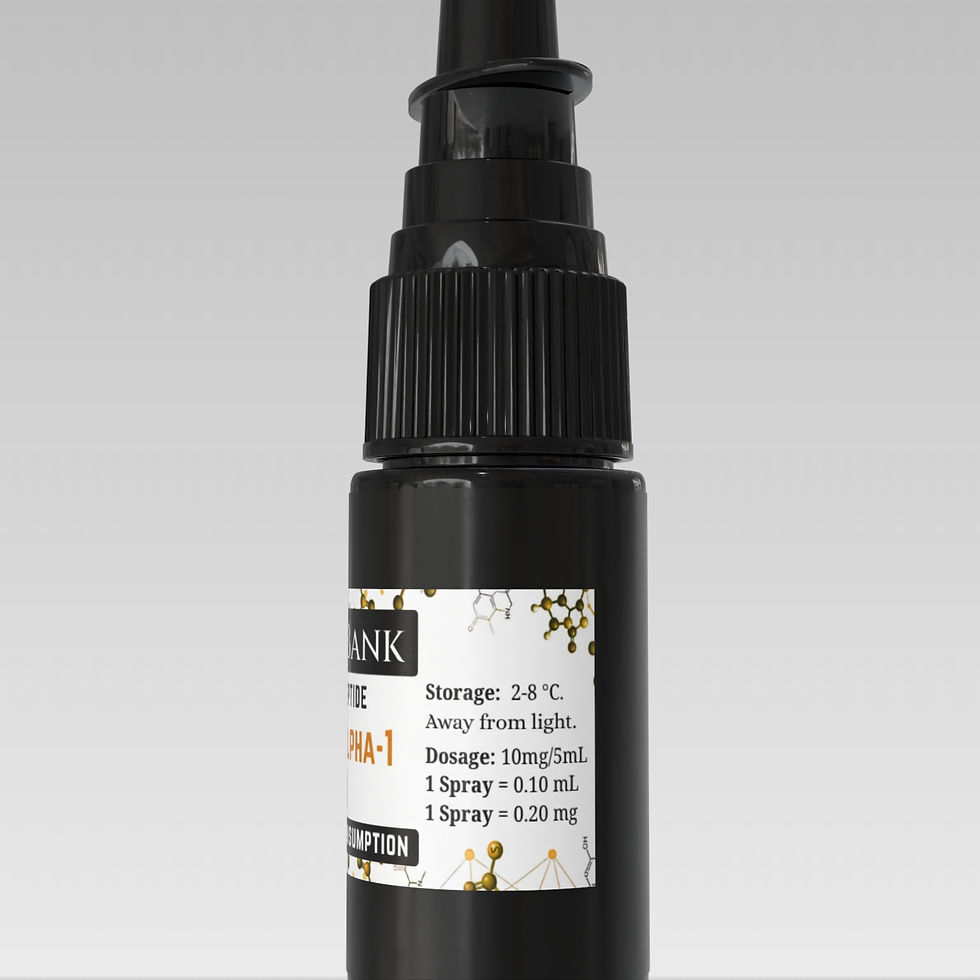
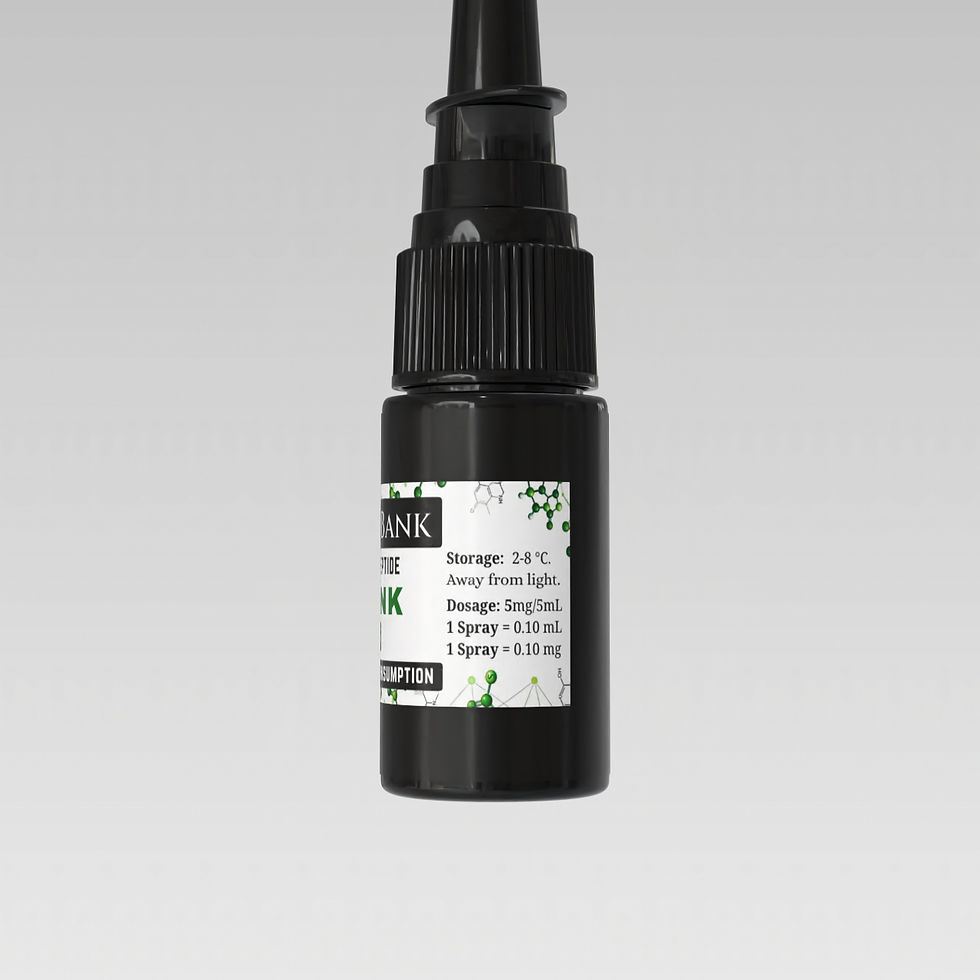
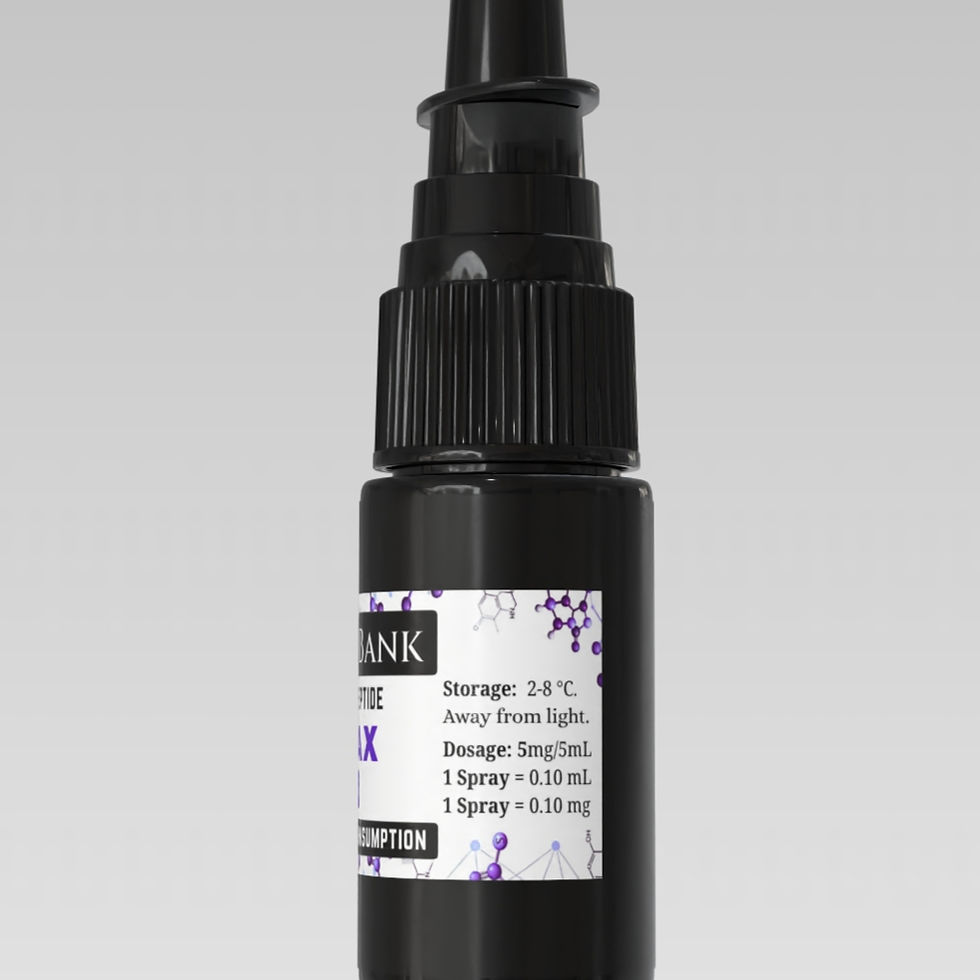
Arousal Nasal Spray 10mg
Arousal 10mg Blend:
Oxytocin Acetate 5mg
PT-141 5mg
Molecular Characteristics
Peptide Type: Blend
Form: Saline Solution
Purity: ≥ 98% (HPLC)
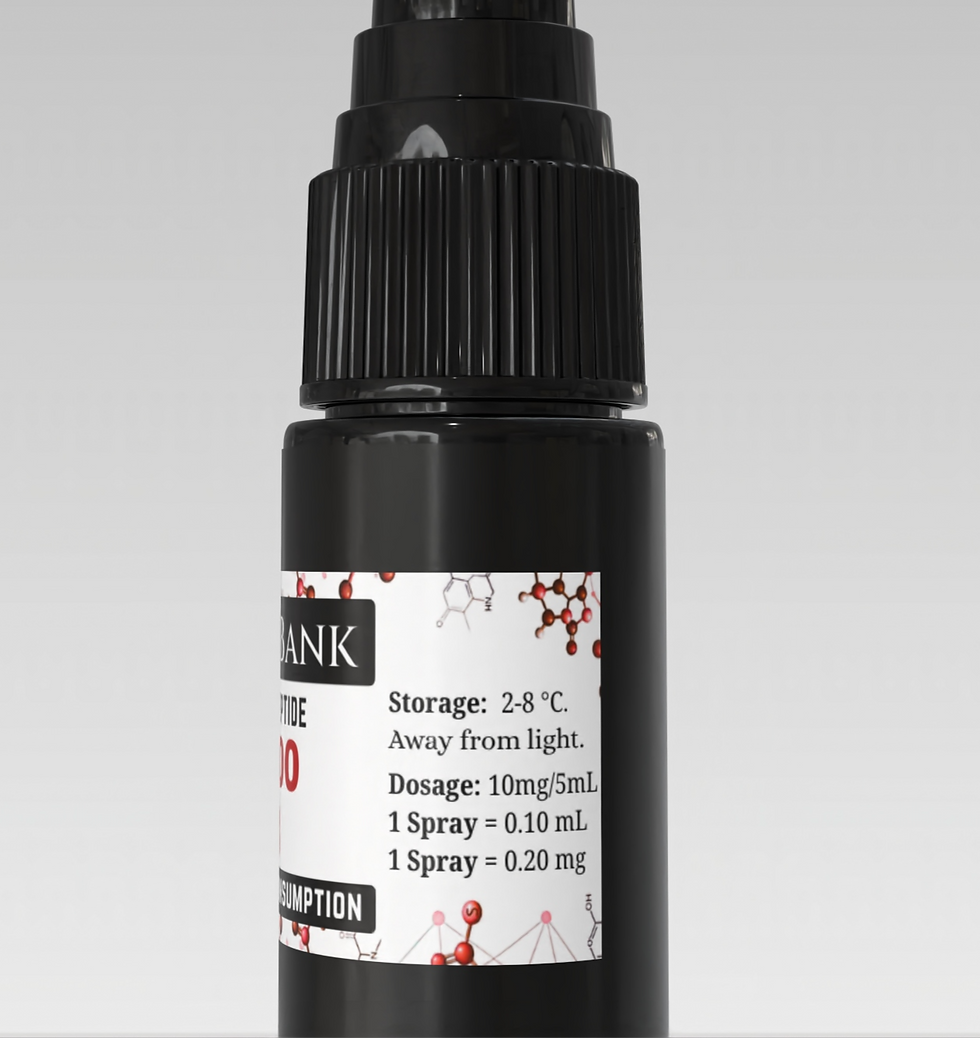
Storage: 2-8°C recommended
Oxytocin Acetate:
is a synthetic form of the naturally occurring neuropeptide oxytocin. It is widely utilized in in vitro and laboratory‑based research involving neuroendocrine signaling, receptor‑binding dynamics, and cellular‑communication pathways. Oxytocin Acetate is of particular interest for studies examining oxytocin‑receptor activity across central and peripheral biochemical models.
Research Applications
Oxytocin Acetate is commonly investigated in controlled laboratory environments for:
Oxytocin‑receptor binding studies
Neuroendocrine‑signaling pathway analysis
Assay development involving stress‑response mechanisms
In vitro modeling of cellular‑communication pathways
Biochemical exploration of peptide‑mediated regulatory activity(Fields of inquiry. Not biological outcomes.)
Mechanistic Notes (Research Context Only)
In laboratory settings, Oxytocin Acetate is studied for its interaction with:
Oxytocin‑receptor–associated signaling pathways
Neuroendocrine‑regulation models
Cellular‑response mechanisms involving peptide‑mediated communication
Biochemical cascades linked to stress‑response and regulatory pathways
These statements describe mechanistic interest, not biological effects in humans or animals.
PT‑141 (Bremelanotide):
is a cyclic heptapeptide derived from the melanocortin analog Melanotan II. It is widely utilized in in vitro and laboratory‑based research involving melanocortin receptor pathways, central nervous system signaling, and peptide‑mediated neuromodulation. PT‑141 is of particular interest for studies examining MC3R and MC4R receptor activity and their associated biochemical signaling mechanisms.
Research Applications
PT‑141 is commonly investigated in controlled laboratory environments for:
Melanocortin receptor (MC3R/MC4R) binding studies
Central nervous system signaling pathway analysis
Assay development involving neuromodulatory peptides
In vitro modeling of melanocortin‑related biochemical processes
Exploration of peptide‑mediated regulatory mechanisms in CNS pathways
Mechanistic Notes (Research Context Only)
In laboratory settings, PT‑141 is studied for its interaction with:
MC3R and MC4R receptor pathways
CNS‑associated neuromodulatory signaling
Biochemical mechanisms related to melanocortin‑regulated pathways
Important Research Notice
For laboratory research use only
Not for human consumption
Not a drug, food, or cosmetic
Not for veterinary or household use
No medical or therapeutic claims are made
This product is sold strictly for laboratory research purposes. Not for human consumption. No medical, therapeutic, or diagnostic claims are made or implied. Must be 18+ to purchase.